

Nature-rich river corridors restore waterways and protect communities
Help restore rivers
We’re calling on the UK government to make #SpaceForWater by urgently supporting farmers and landowners to create and maintain a network of nature-rich river corridors.
Thank you for helping us reach 10,000 signatures on our petition in December 2025. You can read the Government’s formal response to our asks here.
The Government has a significant opportunity this year to ensure the Environmental Land Management (ELM) schemes deliver for farmers restoring rivers.
We propose that the Government can achieve this through three key actions:
Establish a clear baseline of space for water along all rivers

Put the right restoration measures in the right places

Set this pathway out in a clear, funded plan with lines of accountability and routes to delivery

Why do we need to make #SpaceforWater?
We need change. Our heavily modified rivers aren’t fit for purpose and can’t keep pace with our changing climate. The UK faces a growing water scarcity crisis, and our rivers are some of the unhealthiest in Europe - only a third of river stretches are in good ecological health. Biodiversity is declining, and species once thriving in our rivers, such as Atlantic salmon, are on the brink of collapse.
Making space for water and restoring our waterways allows rivers to function as they naturally should, helping us address many of these challenges:
Restore nature
with connected corridors that support wildlife
Healthy, wild land alongside a river provides vital refuge and movement highway for many birds, insects, and mammals. Nature-rich corridors can help us meet ambitious biodiversity targets.

Protect communities
from flooding and drought
When rivers are connected to their floodplains and have space to store water as they naturally should, they can dramatically reduce downstream flooding and help slowly recharge groundwater supplies.

Improve water quality by cleaning up rivers
River corridors with vegetation buffers can stop some pollution from land from reaching waterways, and natural features like wetlands and wiggles help slow the flow, filtering out pollutants in the water.

Holding water on the land helps farmland adapt to a changing climate, and being paid to do so with new, impactful payments for making space for water could support farm businesses as they adapt too.
Boost climate resilience and support farmers

Our key asks in detail

Establish a clear baseline of space for water along all rivers.
Regulate for river corridors: Starting with a 6-metre buffer along all rivers. This should be treated as a minimum building on existing Farming Rules for Water protections, strengthening them for wildlife and creating a simple, joined-up space along all rivers. This baseline of space then establishes the opportunity to do more.
Put the right restoration measures in the right places
Pay farmers fairly to do more: The way land is managed alongside rivers can determine whether rainfall runs rapidly into rivers or is held in soils, wetlands, floodplains and vegetation. Yet farmers are often asked to provide these wider public benefits without being fairly rewarded for them. Government should design simple River Corridor Bundle payments targeted to the places where they can deliver the greatest benefits. The case for investment is strong: research from The Wildlife Trusts & partners, about to be published, reveals that restoring river corridors can deliver more than £7 in benefits for every £1 invested. Farmers currently only receive a fraction of the wider value they create.
Enable businesses and beneficiaries to invest: Businesses, infrastructure providers, water companies, insurers and local authorities all have an interest in reducing the risks and costs created by flooding, drought, poor water quality and climate change. Government should create a clear pathway for these beneficiaries to invest in the natural infrastructure that can make their operations more resilient. This means making it easier for private and public investment to support upstream action, including through payments for ecosystem services. By creating a clear framework for investment, Government can help unlock funding alongside public spending and ensure that those who benefit from greater resilience can contribute to delivering it.
Set this pathway out in a clear, funded plan with lines of accountability and routes to delivery
Write a clear plan: Making space for water needs to happen at the scale of the whole river network, not through isolated projects. Government should publish a clear River Corridor Restoration Plan setting out the scale and location of action needed, the funding available, the land required and a timetable for delivery. A simple, long term plan would give farmers, landowners, businesses, communities and investors the certainty they need to act. It should provide clear national direction whilst enabling action to be coordinated through catchments.
Our letter to the Prime Minister


25 MPs signed a letter to the Prime Minister, which we delivered directly to No.10 on 15th October 2025.
Our rivers are in crisis – polluted, overheated, and stripped of their natural features. The letter calls on the Westminster Government to urgently support a network of nature-rich river corridors across England to address this.

“The greatest threat to the profitability of our farm over the coming decade will be water stress – too much water at times, too little at others. After the driest spring we can remember, it is clear that the old approach of getting water off the land as quickly as possible no longer works. If we do not act now we will see further loss of top-soil and increased risk of crop failures.
That means finding more space for storing water on the farm, slowing water-flow off the farm, and increasing infiltration to hold more water in the sub-soil—restoring our farm ponds and wet field corners, re-planning drainage, creating riparian buffers to intercept run-off, and planting crops and trees that can access deeper water stores.”

Helen and Richard Allan
Whaddon Grove Farm, West Wiltshire

How can we achieve this?
Allowing space around rivers will unlock the ability to deliver a wider range of spatially targeted, proven, cost-effective nature-based interventions that benefit both people and wildlife.
We can Make Space for Water, and enhance our river corridors by creating and restoring:
River buffers
Riparian trees and woodlands
Wetlands
Floodplain meadows
River wiggling and naturalisation
Beaver populations

“Nature knows how to look after itself if we let it! The Making Space for Water campaign will return diversity and beauty to a whole swath of rivers in the UK, and prevent species loss and future floods.”
Dr Imogen Grant MBE, Team GB Rower and Olympic Champion
Case studies
Meet the people making #SpaceForWater


Parliamentary Launch Event
In June, the Riverscapes Partnership (The Rivers Trust, National Trust, The Woodland Trust and Beaver Trust) hosted a launch event at the Houses of Parliament for the Making Space for Water campaign. Minister Emma Hardy MP gave the keynote address, and the event was hosted by Lloyd Hatton MP. Watch the highlights below:
Join us in supporting
Making Space for Water
-
![]()
"Rivers provide an ideal opportunity to create a nature-rich network of trees, floodplain meadows and wetlands that could connect our entire landscape. Supporting farmers and landowners to Make Space for Water at scale will unlock myriad benefits by slowing flood water, cooling over-heated streams, preventing pollution, reducing greenhouse gases and cleaning waterways."
Mark Lloyd, CEO, The Rivers Trust
-
![]()
"We know farmers and landowners looking after the environment are protecting their businesses, but we need a financial and regulatory system that helps them. As a leading conservation charity, we will continue to work with farmers and landowners to make their land more resilient, but more financial investment is needed for these vital, generational improvements."
Darren Moorcroft, CEO, Woodland Trust
-
![]()
"Our vision is for thriving waterways, vibrant with life, and this will only be possible if we give nature and water more space in our landscapes, supporting land managers to do so. There is a clear need for strong financial incentives for practices to be adapted on a wider scale. It has never been more urgent to build environmental resilience across Britain and I hope many people will add their voice in support."
Sandra King, CEO, Beaver Trust
-
![]()
"Our rivers are at the frontline of climate change with floods and droughts challenging us to think about how we look after them and secure the benefits we get from them. It’s time to change our relationship with our rivers, giving them much needed space to move, adapt and help us deal with these threats. Rivers that can respond to changing rainfall and better connect to their floodplains are better for wildlife and for people."
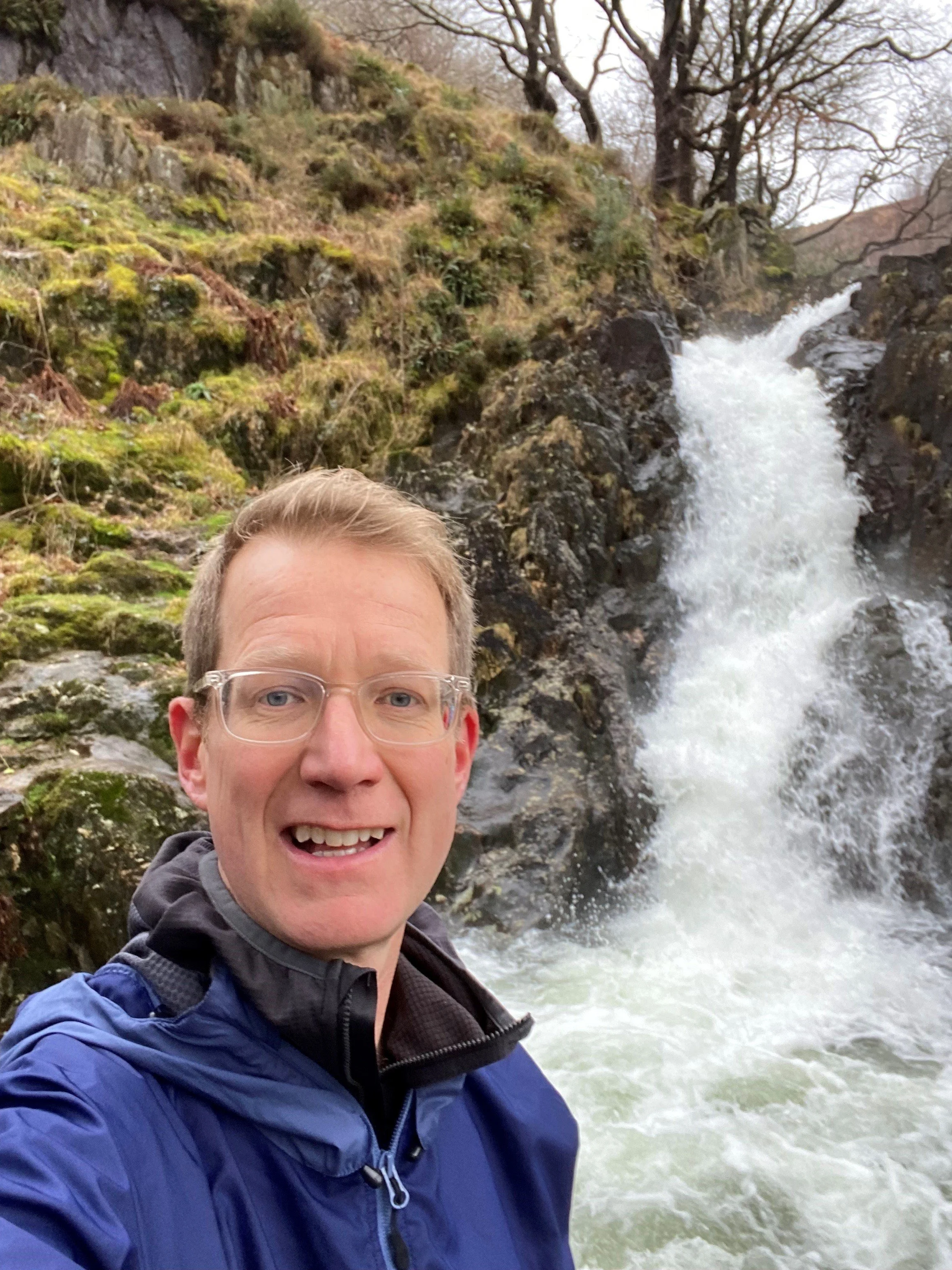
Stewart Clarke, National Trust
-
![]()
"Rivers are not just recreational spaces we know and love, but homes for species that are in desperate need of our support. At UK Youth for Nature, we’re battling to have the voices of our rivers heard, taken seriously, and acted upon - and are supporting this campaign. We are nature, and it’s time we prioritise repair and protection rather than simply extraction. It is time to Make Space for Water, not just for nature’s future, but for our own."
Roisin Taylor, UK Youth for Nature
-
![]()
"While it is essential that the Government tackles rampant pollution from the water industry and industrial agriculture, we urgently need positive systemic solutions to work in tandem that incentivise the transition to river-friendly land management and farming. Making Space for Water will help breathe life back into our river catchments, simultaneously restoring the living arteries of our country and helping farmers secure income and habitats for their allies in nature."
James Wallace, CEO River Action UK.
-
![]()
“There are few things more enjoyable than journeying along a river, seeing a kingfisher dart between the trees and wondering what could be around the next corner. Rivers that are healthy, clean and rich in nature, are good for wildlife and people. Making Space for Water shows that rivers can be re-naturalised and restored for nature, and play a part in futureproofing society against the impacts of climate change and pollution”.
Ben Seal, Head of Access and Environment, PaddleUK
-
![]()
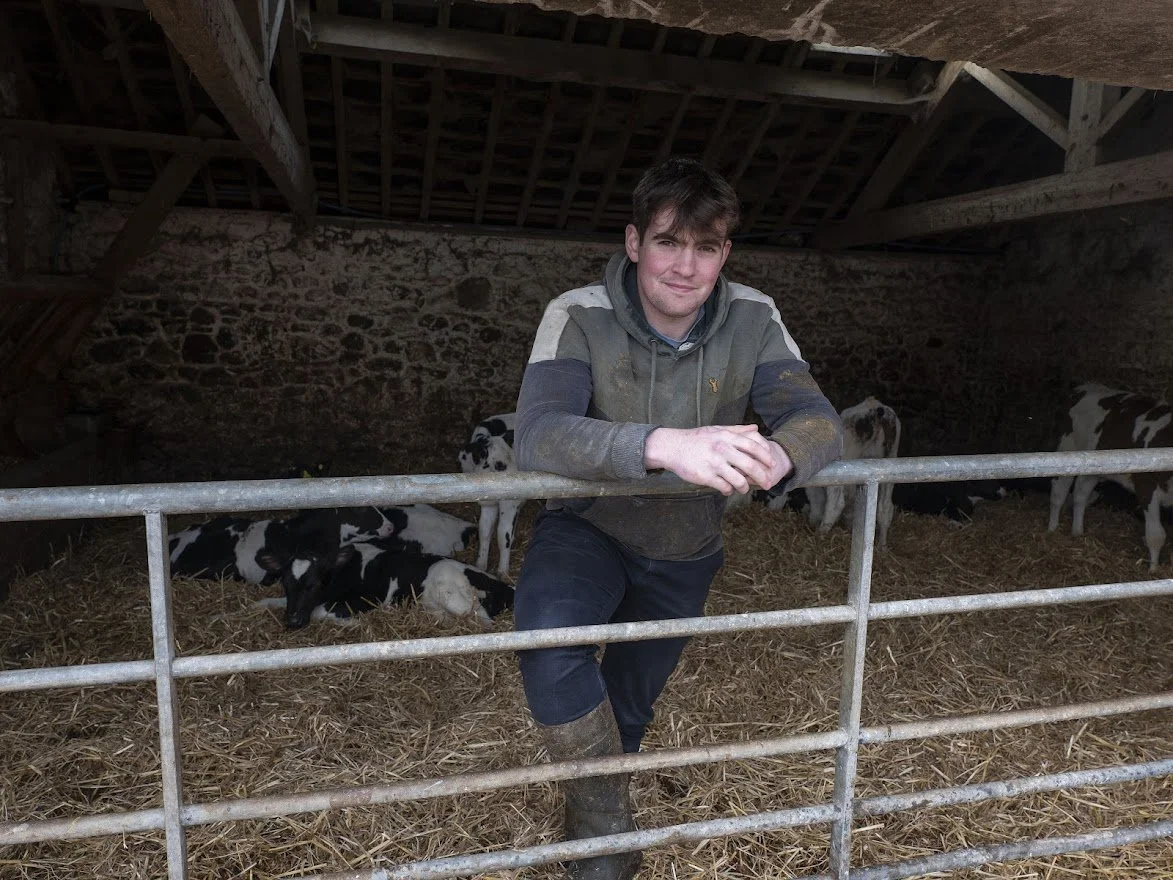
"The damage to land, livestock and livelihoods will only increase as extreme weather gets more frequent and severe. By moving our cows and farming away from riverbanks and creating space for rivers to move, we have improved our flood resilience, created new corridors for wildlife, and connected up existing habitats, all while maintaining our dairy production - but farmers need more funding options for work like this."
Joe Lyall, Dairy Farmer & Nuffield Farming Next-Gen Dairy Scholar
-
![]()
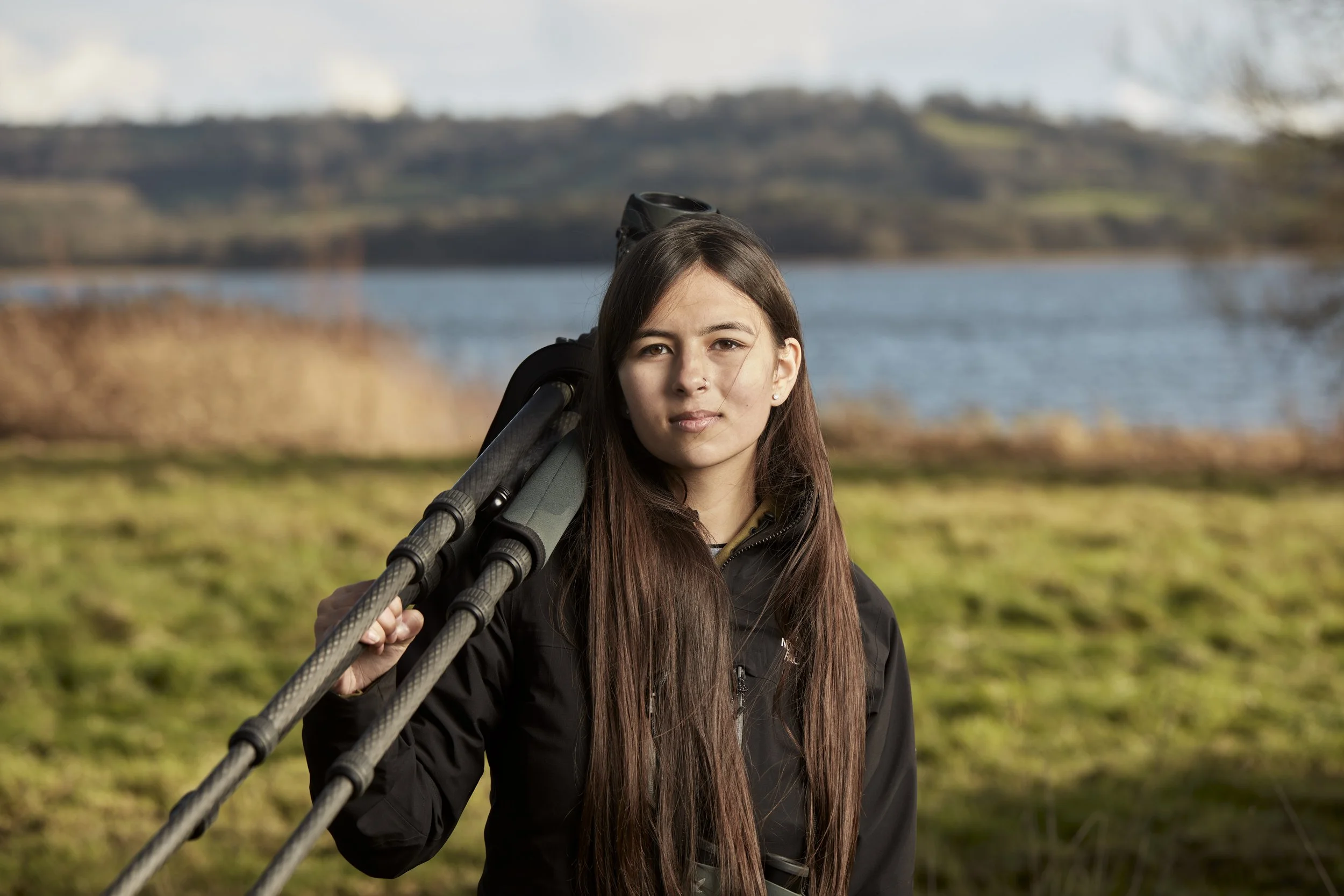
“Restoring rivers isn’t just about wildlife, it’s about fairness. Every community deserves access to clean, vibrant waterways. Making space for water is an investment in people, nature and our future. We must act now to build a better world for the next generation.”
Dr Mya-Rose Craig





Support the campaign
Sign your organisation up to join the growing list of charities, NGOs and businesses supporting the call for Government to Make #SpaceforWater


